



Bleach for Dark Hair: Why Most Guides Ignore Hair Integrity (And Why It Matters)
Most bleach guides show you a lift swatch and call it a review. Here’s the half of the story they’re leaving out — and why it’s the half that actually matters to your clients.

Jump to section
Why Choosing Bleach for Dark Hair by Lift Alone Gets It Wrong
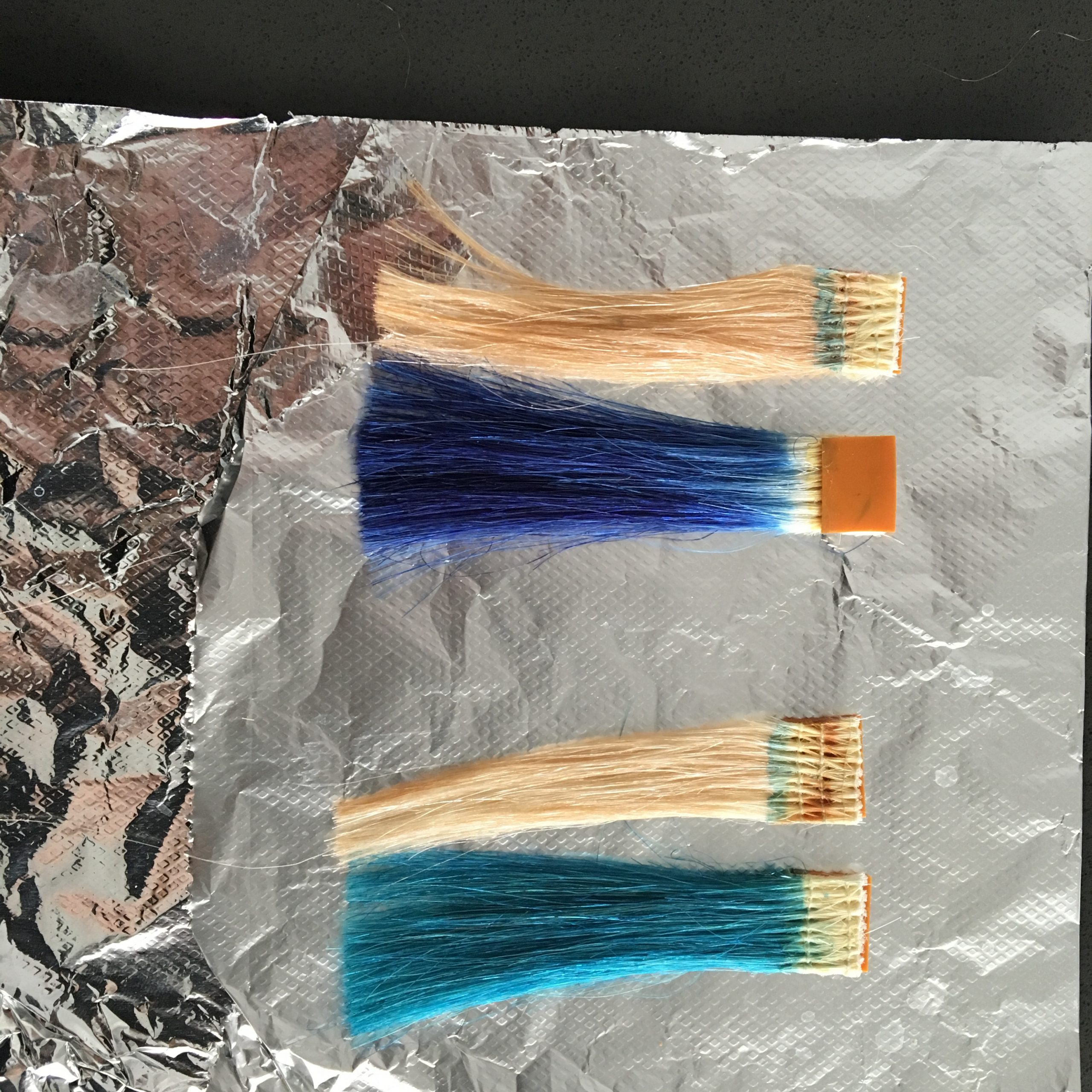
If you’ve spent any time researching bleach for dark hair — whether you’re a stylist scouting a new powder or a client trying to understand what’s happening to your strands — you’ve probably seen the same kind of guide repeated endlessly. A grid of products, a row of swatches going from dark brown to pale yellow, and a verdict that boils down to: this one lifts the most, use this one.
That’s not a bleach review. That’s a lift chart. And it’s leaving out the most important half of the story.
After all, lift is seductive. It’s visual, measurable, and gives you something clean to compare. Seven levels of lift sounds more impressive than six. A pale yellow result photographs better than a warm gold. So guides chase lift, rank by lift, and declare winners based on lift.
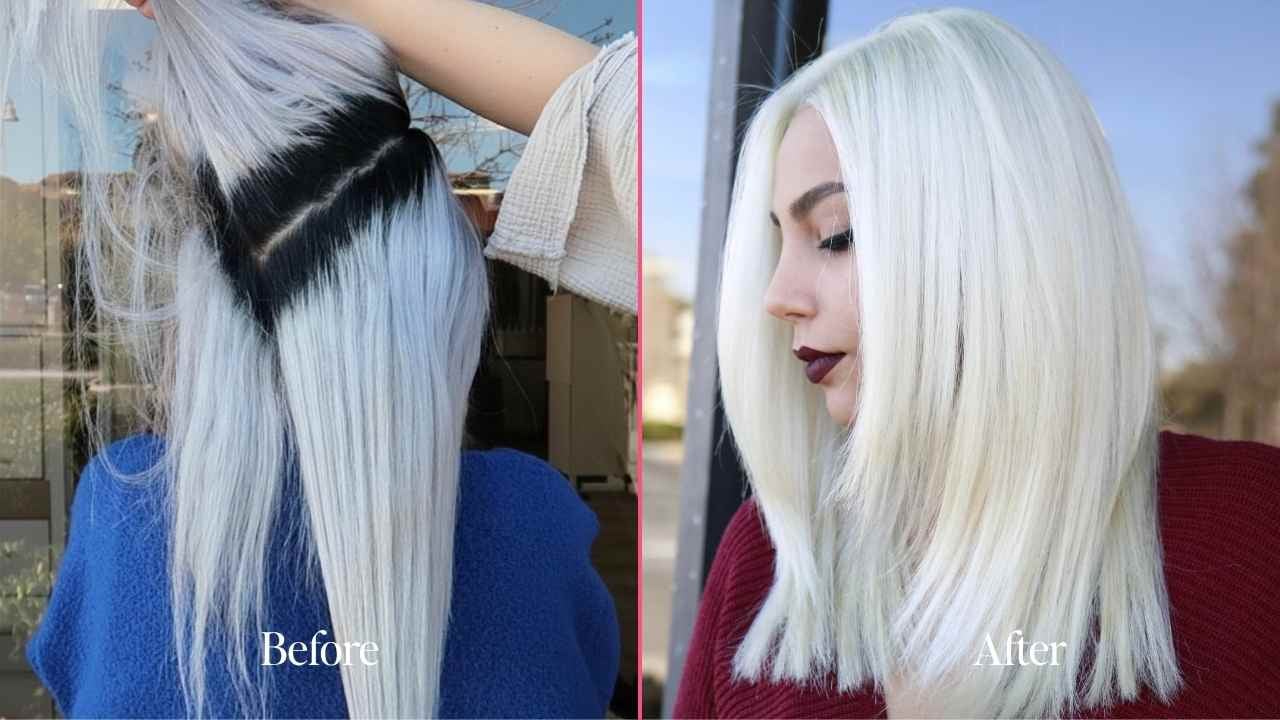
Here’s the problem: some of the highest-lifting bleaches on the market are also the most destructive. As a result, they open the cuticle aggressively, deplete the hair’s internal structure rapidly, and leave you with strands that are technically lighter but fundamentally compromised. You can lift dark hair to a Level 9 and still have a client whose hair won’t hold a toner, snaps under tension, or loses its curl pattern entirely.
Clearly, that’s not a win. That’s a liability.
What Hair Integrity Actually Means in Practice
“Hair integrity” gets used as a vague term. In fact, it deserves more precision.
Hair integrity refers to the structural soundness of the strand after chemical processing. It lives in the cortex — the innermost layer — and determines how the hair behaves going forward. When integrity is compromised by the wrong bleach for dark hair, it shows up in specific, predictable ways:
Four Signs Your Bleach Is Compromising Hair Integrity
- Elasticity loss Healthy hair stretches and returns. Hair with compromised integrity stretches and stays — or worse, snaps. A wet strand that breaks when gently pulled is telling you the disulfide bonds have been disrupted beyond recovery.
- Toner rejection and instability A highly lifted but integrity-poor strand is porous and uneven, which means toner deposits inconsistently and fades fast. You can apply a perfect ash or beige toner and watch it go brassy within two weeks because the cuticle can’t hold the pigment in place.
- Texture and curl disruption For clients with natural texture, curl pattern loss after bleaching is often a direct consequence of integrity damage, not just the bleaching process itself. The right bleach, used correctly, can lift dark hair without dismantling the curl structure. The wrong bleach can alter texture that never fully returns.
- Mechanical breakage during styling Brushing. Blow drying. Wrapping in a towel. These aren’t aggressive acts. But on hair that’s been lifted without integrity protection, they become opportunities for damage. Clients leave the salon fine and come back three weeks later with a halo of breakage around their hairline.
In fact, these aren’t edge cases. They’re the direct consequences of choosing bleach by lift alone.
What the Manelli Scale Measures for Bleach on Dark Hair
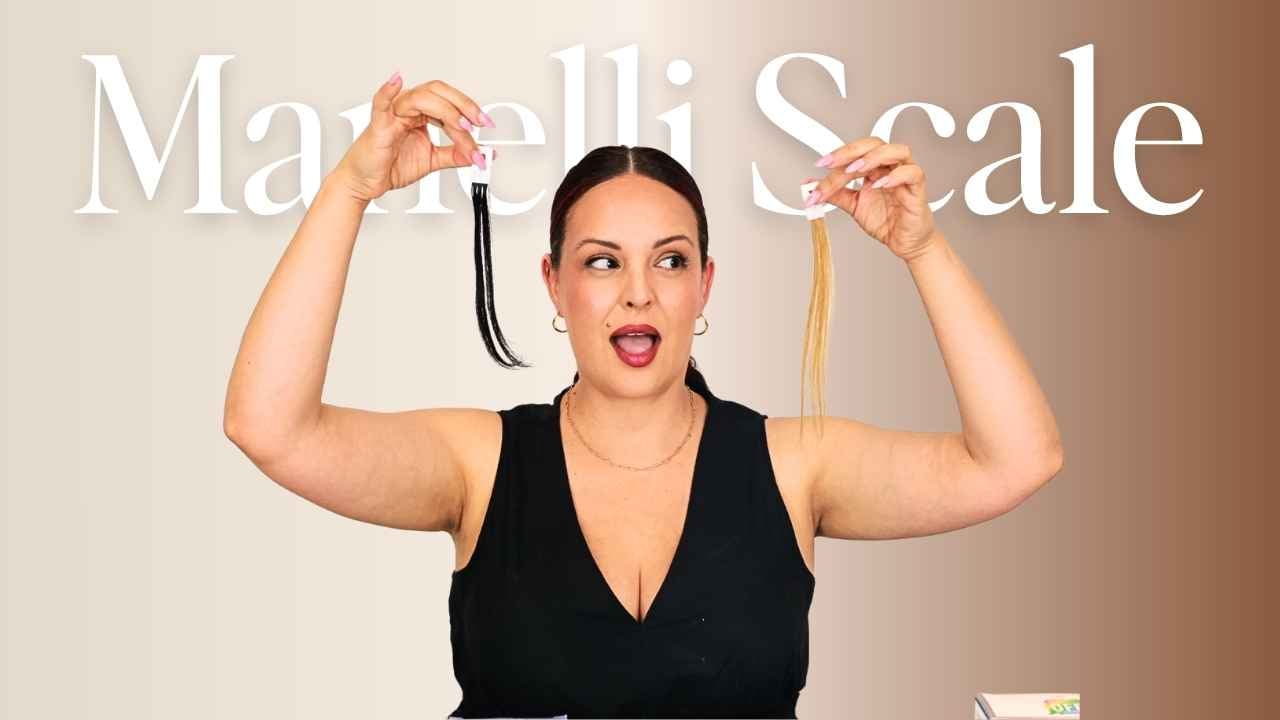
After more than 20 years behind the chair, I built the Manelli Scale specifically because those lift-only guides weren’t giving stylists or clients the information they actually needed to make good decisions. It’s a 100-point proprietary rating system that evaluates products across ten categories, each weighted at 10 points.
| # | Category | What It Measures | Why It Matters for Integrity |
|---|---|---|---|
| 1 | Dust | Airborne powder during mixing | Stylist and client health |
| 2 | Odor | Fume intensity and quality | Working environment safety |
| 3 | Viscosity | Consistency and control | Precision reduces over-saturation |
| 4 | Timing | Predictability of lift window | Prevents over-processing |
| 5 | Swell | Expansion on hair during processing | High swell on porous hair = damage |
| 6 | Lift | Levels achieved and evenness | Yes, it matters. It’s one of ten. |
| 7 | Integrity | Hair condition after processing | The score most guides skip entirely |
| 8 | Neutralization | Toner readiness, residual warmth | Affects how toner takes |
| 9 | Versatility | Performance across techniques | Reduces need for re-processing |
| 10 | Price | Value per use in a working salon | Sustainable professional practice |
Every category is scored independently. The total gives you an overall picture, but the breakdown is where the real information lives.
The Industry Gap No One Wants to Talk About
There’s a reason most bleach for dark hair guides don’t measure integrity: it’s harder to quantify and slower to evaluate.
For instance, lift can be assessed with a single swatching session. Integrity, however, requires testing the hair after processing: checking elasticity, porosity, texture response, and toning behavior. It consequently takes more time, more product, and a more methodical approach.
Nevertheless, that’s not an excuse. That’s exactly the gap that leaves stylists and clients making decisions without complete information. Therefore, the professional beauty industry has an obligation to be honest about what bleach actually does to hair — not just how dramatically it can lighten it.
Lift sells. Integrity protects. Ultimately, a guide that only shows you one of those isn’t serving the people using it.
What to Do With This Information
If You’re a Stylist
Instead, start asking different questions when you evaluate a new lightener. Not just “how far does it lift?” but “what does the hair feel like at the end of the service?” For example, test elasticity, watch how toner takes, and notice whether your clients are experiencing unusual breakage between appointments. These signals are your integrity data.
If You’re an Advanced DIYer Researching Bleach for Dark Hair
Similarly, understand that the bleach marketed as the most powerful option isn’t automatically the best option for your hair. Especially if your hair is dark, previously processed, or naturally fine, integrity matters more than ceiling lift. In other words, a bleach that lifts you six levels with your hair intact is a better outcome than one that attempts eight levels and leaves you managing breakage for a year.
Frequently Asked Questions
Explore the HBBU Content Library →