



The Ultimate Guide to Tax Write-Offs for Hairstylists
If you’re a self-employed hairstylist, booth renter, or salon suite owner, understanding your tax deductions could literally save you thousands of dollars every year.
And let’s be honest… most cosmetology schools teach you how to pass the state board. They don’t teach you how to run a profitable chair.
When I first became an independent hairstylist, I had no idea how many business expenses were actually tax deductible. I was leaving money on the table simply because I didn’t know what qualified as a write-off.
This guide will walk you through 30 legitimate tax deductions for hairstylists, plus tips to help you keep more of your hard-earned money.
Disclaimer: I am not a CPA. Always consult a tax professional for advice specific to your situation.
Why Tax Deductions Matter for Hairstylists

As a hairstylist, you are not just an artist.
You are:
- A small business owner
- A marketing team
- A content creator
- A customer service rep
- A retail salesperson
- A financial manager
Understanding your hairstylist business expenses helps you:
✔ Lower your taxable income
✔ Keep more profit
✔ Reinvest into education & tools
✔ Build long-term wealth
Now let’s break it down.
The Ultimate Guide to Tax Deductions for Hairstylists
If you’re looking to maximize your savings, understanding tax write-offs for hairstylists is crucial. Here are 30 deductions you can’t afford to miss. Download the checklist here.
1. Booth Rent or Salon Lease
If you rent a chair, salon suite, or full space, your rent is fully deductible as a business expense.
2. Professional Hair Tools & Equipment
Shears, thinning shears, clippers, trimmers, blow dryers, curling irons, flat irons, hot tools, and even tool repairs are deductible.
Large equipment may be depreciated over time.
3. Hair Color & Product Inventory
All color, lightener, developer, toner, shampoo bowls, treatments, backbar, and retail inventory count as business expenses.
If you specialize in extensions, your hair inventory also qualifies.
4. Foils, Gloves & Daily Supplies
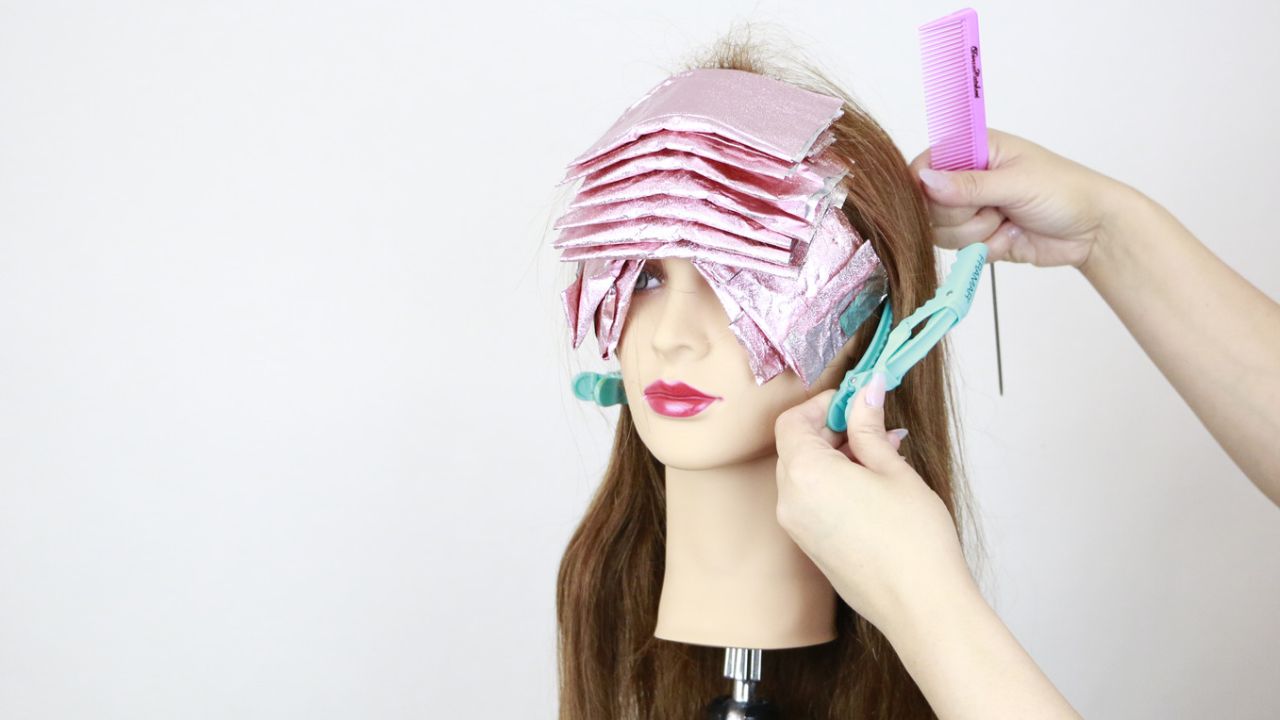
Combs, brushes, balayage boards, foils, cotton, gloves, capes, neck strips, clips — yes, all of it.
Those “small” purchases add up fast.
5. Continuing Education for Hairstylists
Online education, in-person workshops, hands-on classes, certification courses, and business coaching are deductible.
That includes:
- Hair color education
- Extension training
- Business courses
- Online memberships like Hair B&B University
Education is not just an investment in skill — it’s a tax write-off.
6. Marketing & Advertising
Instagram ads, Facebook ads, boosted posts, Google ads, flyers, postcards, signage, and business cards are deductible.
If you’re serious about growth, marketing is part of your overhead.
7. Website & Branding Costs
- Website design
- Domain hosting
- Logo design
- Brand photography
- SEO services
Your personal brand is a business asset.
8. Booking Software & POS Systems
Apps like:
- Vagaro
- Square
- GlossGenius
Monthly subscriptions and processing fees count as deductible expenses.
9. Business Bank Account & Credit Card Fees
Monthly bank fees, merchant processing fees, and transaction fees are deductible.
10. Professional Liability Insurance
Protecting your business is not optional — and yes, it’s deductible.
11. Licensing & Certification Fees
State cosmetology license renewal, specialty certifications, and continuing education compliance fees qualify.
12. Health Insurance (Self-Employed)
If you are self-employed, you may be able to deduct health insurance premiums.
13. Retirement Contributions
Contributions to:
- SEP IRA
- Solo 401(k)
- Traditional IRA
can reduce taxable income while building wealth.
Most hairstylists don’t even realize this.
14. Car Mileage for Hairstylists
Driving to:
- Supply stores
- Classes
- Industry events
- Client house calls
Track your mileage. You can deduct standard mileage or actual vehicle expenses.
15. Work-Related Travel
Flights, hotels, rental cars, and meals during hair shows, education events, or business travel may be deductible.
16. Client Snacks & Beverages
Water, coffee, snacks, and hospitality items provided in your chair are deductible business expenses.
17. Cell Phone & Internet
If you use your phone for:
- Booking
- Social media marketing
- Client communication
- Content creation
A portion of your bill can be deducted.
18. Social Media Content Creation
Tripods, ring lights, cameras, editing software, caption-writing apps, and social media coaching are business expenses.
Yes — content creation is part of your marketing department.
19. Photography for Portfolio
Hiring a photographer for branding photos or transformation shoots is deductible.
20. Home Office Deduction
If you manage bookings, accounting, content editing, or consultations at home, you may qualify for a home office deduction.
21. Salon Furniture & Station Setup
Chairs, mirrors, lighting, cabinetry, trolleys, shampoo bowls, and décor may qualify (often depreciated).
22. Mannequin Heads & Practice Hair
Training tools and mannequins used for education or content are deductible.
23. Professional Memberships
Industry associations, directories, networking groups are deductible.
24. Music Subscriptions
Spotify or Apple Music used in your salon atmosphere can qualify.
25. Cleaning & Sanitation Supplies
Disinfectant, barbicide, sanitizing wipes, laundry detergent, towels — all deductible.
26. Work Apparel (With Rules)
Branded apparel, aprons, or clothing required specifically for work may qualify.
Everyday “cute outfits” usually do not.
27. Client Gifts (Up to $25 Per Client)
Holiday gifts or thank-you gifts are deductible up to IRS limits.
28. Hair Extension Supplies
Beads, thread, pliers, removal tools, tape tabs, and extension hair inventory are deductible.
29. Podcast & Education Subscriptions
Business podcasts, paid industry platforms, and learning tools qualify if they support your profession.
(If you want business strategy specifically for hairstylists, check out the Hair B&B Podcast.)
30. CPA & Tax Preparation Fees
Yes, even the cost of preparing your taxes is deductible.
Pro Tips for Self-Employed Hairstylists

1. Separate Your Personal & Business Finances
Open a business checking account.
This alone makes tax season 10x easier.
2. Track Expenses Monthly (Not in April)
Use bookkeeping software or hire a professional.
Don’t wait until tax season to scramble.
3. Think Like a CEO, Not Just a Stylist
Every tool, class, or ad you invest in should serve a purpose:
- Increase skill
- Increase retention
- Increase pricing power
- Increase profit
Financial literacy is part of professional growth.
Invest in Yourself and Your Business
Building Wealth as a Hairstylist
Understanding tax deductions is step one.
Step two?
Learning how to:
- Price correctly
- Increase client retention
- Market strategically
- Scale your services
- Build long-term systems
That’s why inside Hair B&B University, we don’t just teach hair color and foil placement.
We teach:
- Business systems
- Client psychology
- Pricing confidence
- Consultation mastery
- Marketing for hairstylists
Because passing the state board is one thing. Running a profitable chair is another.
Final Thoughts
If you’re a booth renter, salon suite owner, or independent hairstylist, this list could potentially save you thousands of dollars per year.
And most stylists never learn this stuff.
Save this.
Bookmark it.
Share it with your salon friends.
And if you’re serious about building a six-figure chair instead of just surviving behind it…
Start thinking like a business owner.

Share This With a Fellow Hairstylist
💬 Did this help you? Share this with a hairstylist who needs this list!
Have questions or more tips to share? Reach out on social media. Together, we can empower independent hairstylists to thrive!